Level Zero: Book 2 (Levels 11-20) — Level Zero

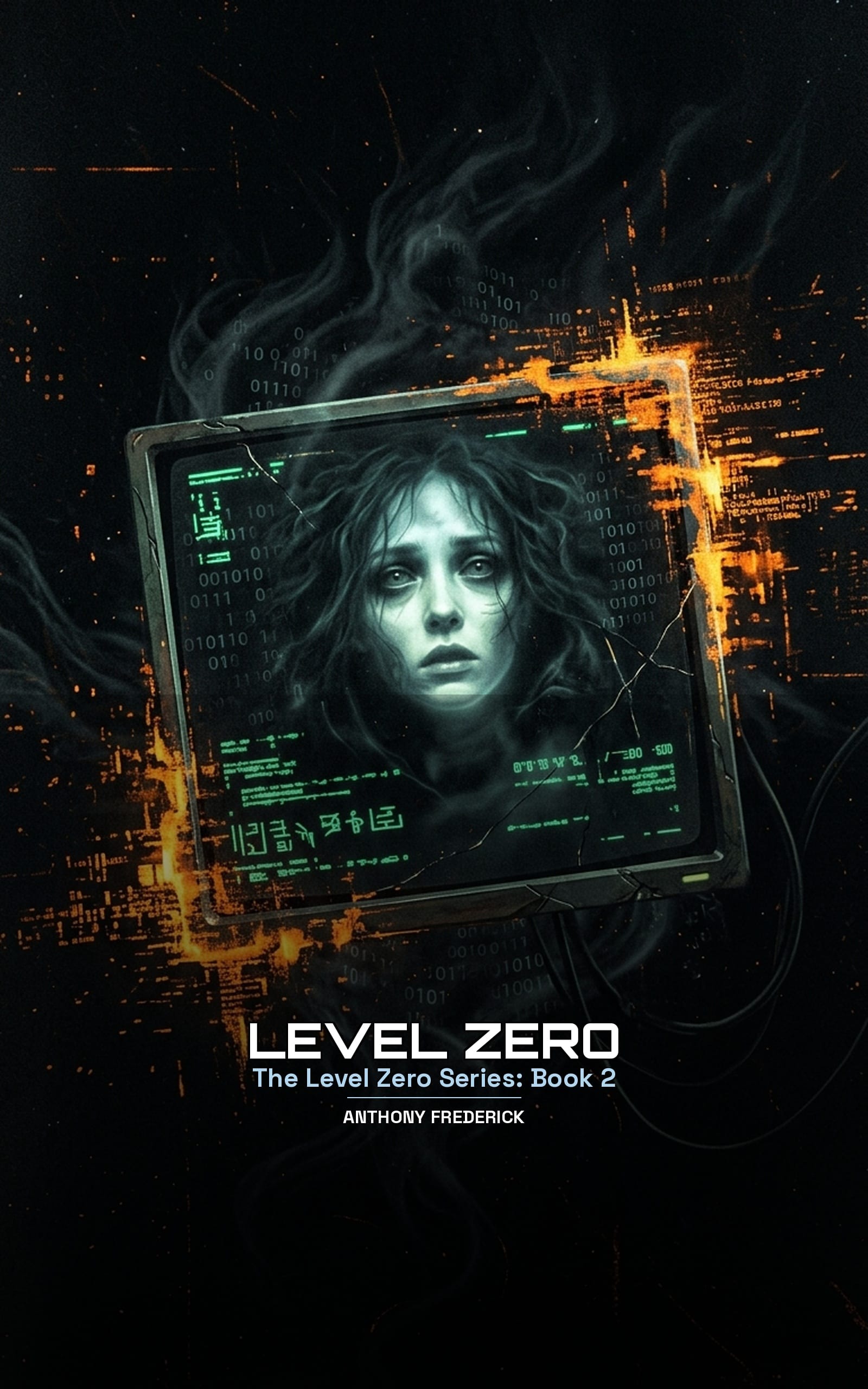
The system wants him capped. He levels anyway.
Book 2 of the Level Zero trilogy
By the time the Grid notices a Glitch, it is already too late to pretend he isn't there. Cross has broken past the caps that were supposed to define him, and now the system that governs reality has a problem it was never designed to solve: a man with no Level cap, climbing without a License, who will not stop. The first book was survival. This one is the refusal to be capped by a world that mistakes its rules for the sky.
In Book One he survived. In Book Two he becomes a fact the Grid has to account for. The system wants him capped — it is built to want exactly that. Levels are not earned in this world; they are granted, and only to those who hold the right License, the government permit that unlocks the next rung. The wealthy bought their altitude before they could read. The poor were handed a ceiling and told it was the horizon. Cross was handed nothing, and that nothing is why he cannot be capped the way everyone else is. The License economy depends on a quiet agreement: that rising is something you must be permitted to do. Cross is the living contradiction of that agreement, and contradictions are exactly what the Grid was built to erase.
The Glitch is the system's blind spot made flesh. Because the Grid cannot read his signature, it cannot assign him the limits it assigns everyone else. No Class means no ability tree locking him into one shape of power. No Stats means no baseline to predict. No Level cap means the architecture of control — the slow, annual lowering of the floor for the bottom ninety percent while the Spires raise their own ceiling — simply does not apply to him. He is the exception the rule was never written to survive, and the rule does not like exceptions. It sends its enforcers. It flashes its warnings. It tries, in every way a machine can want, to correct him back into the box he was never in.
So the system tries other ways. If it cannot cap him, it can hunt him. If it cannot erase the anomaly, it can corner it. Enter Architect Vaux, the Grid Administrator at Level 43, the last living man who knows where the Architects vanished to and what they left behind in the oldest code. Vaux is not a cartoon of cruelty. He knows precisely what the system does, benefits from it, has killed to maintain it, and respects Cross because Cross is the first real test the System has faced in two centuries. He will destroy Cross out of duty, not malice — and he is not trying to stop Cross from reaching the heights. He is trying to reach them first, because a reset nobody steers is a world nobody survives.
Because there is a failsafe buried in the Grid's oldest code. The Architects who built this stat-based world into the fabric of reality knew, five hundred years ago, that the system they made could corrupt. They built a reset. At Level 50 — the theoretical cap no one has ever touched — the entire Grid resets. Everyone starts at zero. True equality, written into the machine by the people who first wound it. The Spires dread it. The Data Wastes dream of it. And Cross, climbing through the mid-levels from eleven to twenty, begins to understand that the permission he never had might be the very thing that ends the permission economy for everyone. He does not yet know the cost. He only knows the cap keeps trying to close, and he keeps opening it.
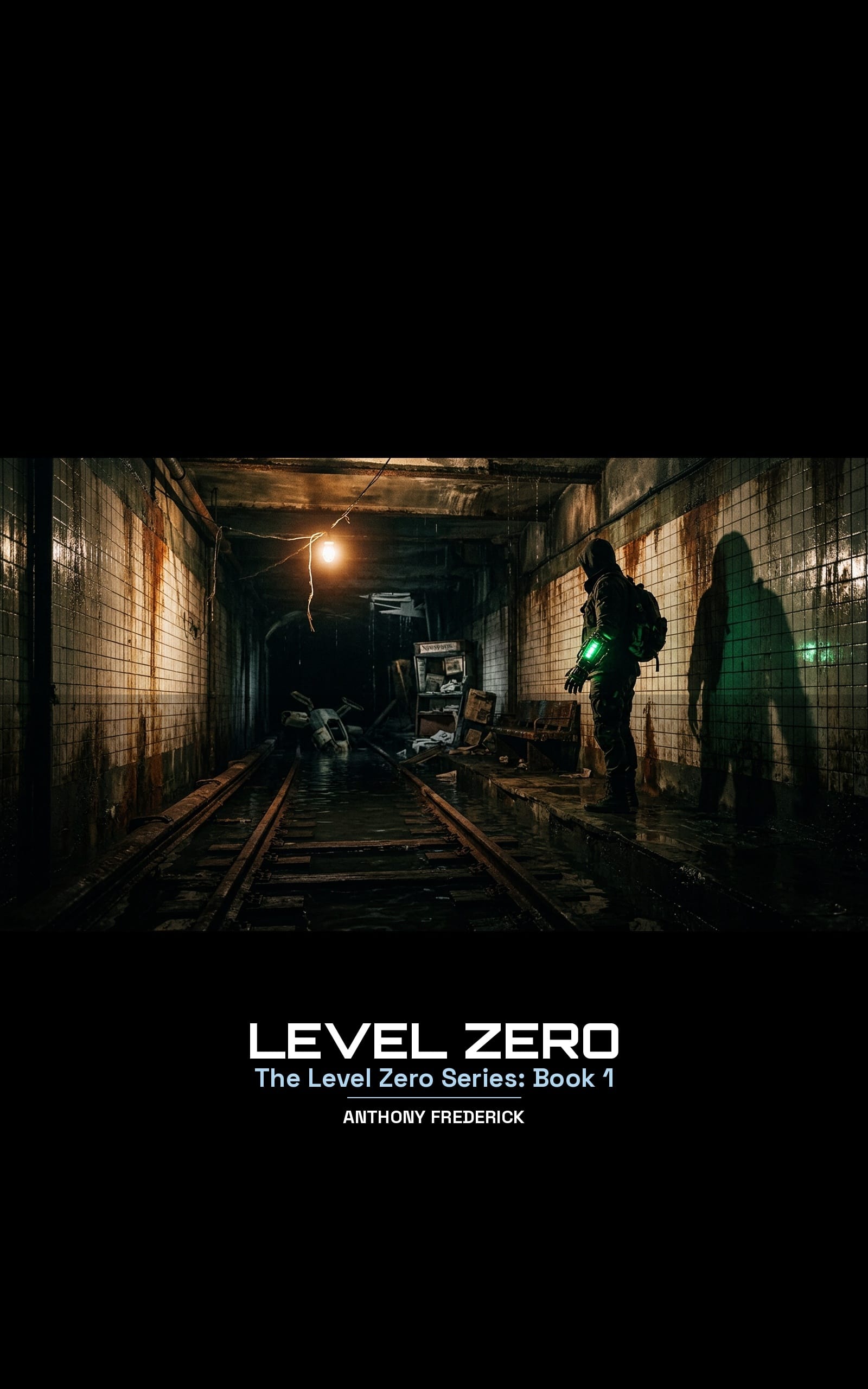
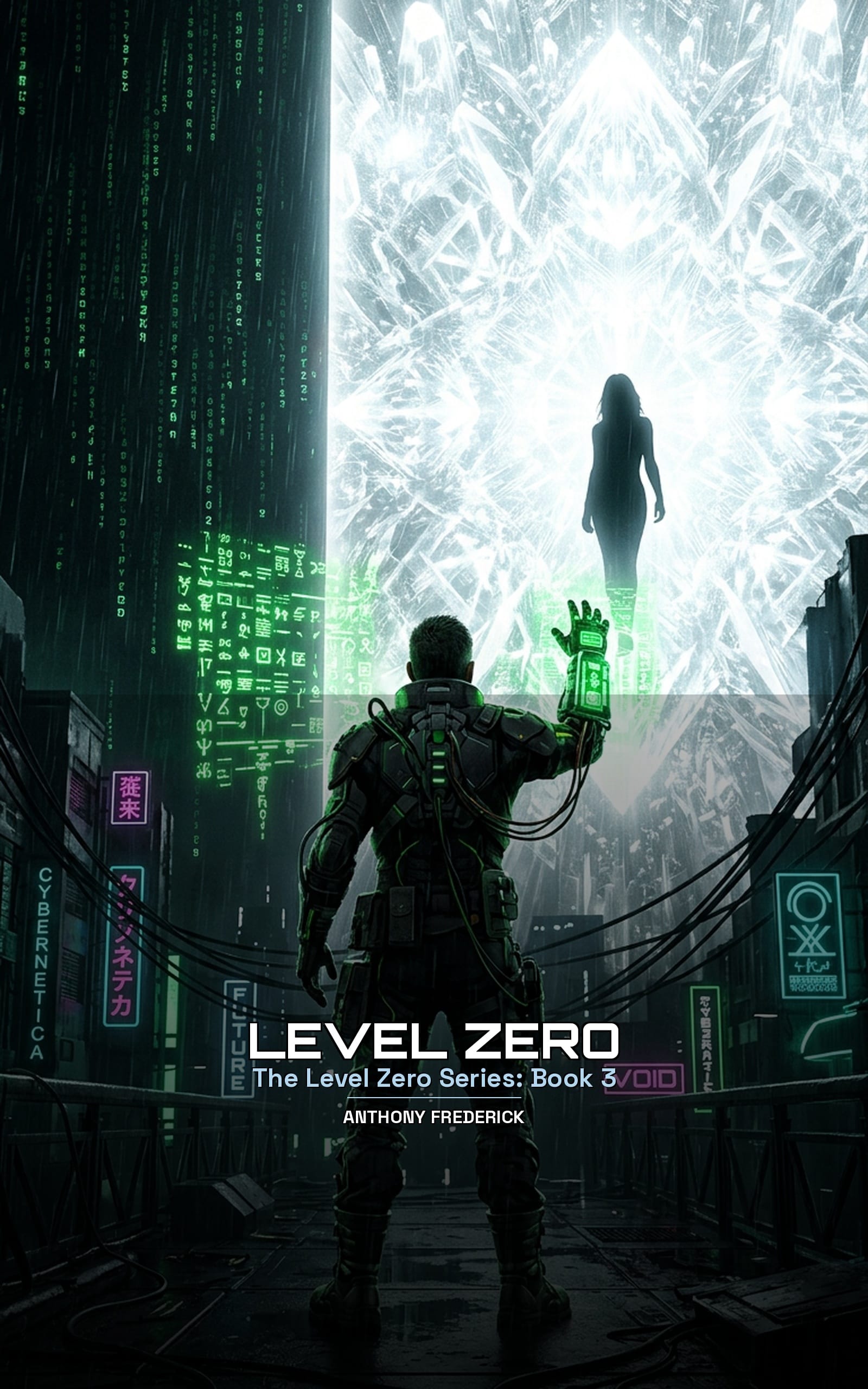
Book Two is the middle of the climb, the stretch where most stories would let the hero rest. Cross does not rest. The system wants him capped, and he levels anyway — each gain a fresh exploit, each step a quiet act of treason against a world that calls obedience participation. The Gauntlet on his forearm, cracked and taped and glowing green with stolen Grid text, becomes more than a tool. It becomes a declaration. He is learning what he can be, precisely because no Class told him what he had to be. A Fighter in this world can never learn magic. A Mage can never wield heavy steel. Cross, with no Class at all, can reach for anything — and that freedom terrifies the Spires more than any single weapon could.
Around him the war widens. Zero, the burned-out hacker who first took him in, has spent twenty years building a weapon against the System and is only now realizing her weapon was never a machine — it was a person. The resistance in the Underground, living off dead terminals and illegal XP, stops seeing Cross as a fugitive and starts seeing him as a possibility. Even Vaux's calm, refined voice — the voice of a man who has never needed to raise it to get what he wants — takes on a new edge, because for the first time in two hundred years the Administrator is not managing a system. He is racing one, and the Glitch is a half-step ahead where no one is allowed to be.
This is the heart of the permission fantasy. Not the cheap thrill of power dropped from the sky, but the stubborn, dangerous refusal to accept that the ceiling was ever real. The underdog does not win Book Two. He simply refuses to lose it on someone else's terms. He carries the names of people the Grid killed because of him, and that guilt is the weight that keeps him human when power would make him something else. He levels not to rule, but to prove the floor was a lie — to show the ninety percent below that the number on their blood was someone else's handwriting, not their fate.
The License economy depends on the belief that rising is something you must be allowed to do. Cross is the living contradiction of that belief. The system wants him capped. The Spires want him erased. Vaux wants to beat him to the top. And Cross, a Glitch with no signature and no right to climb, keeps putting one foot above the last line the world drew for him — because the only permission he ever needed was the kind no one could grant, the kind written in the simple fact of his refusal.
He levels anyway. The system broke first. Now it's his turn.
The system only fears you because it knows you're right about the lie it's built on.
The Level Zero Trilogy