Neon Resurrection: The Harrowing Truth of a Fallen Saint in Neon Grave Lore

Share

Neon Resurrection: The Harrowing Truth of a Fallen Saint in Neon Grave Lore
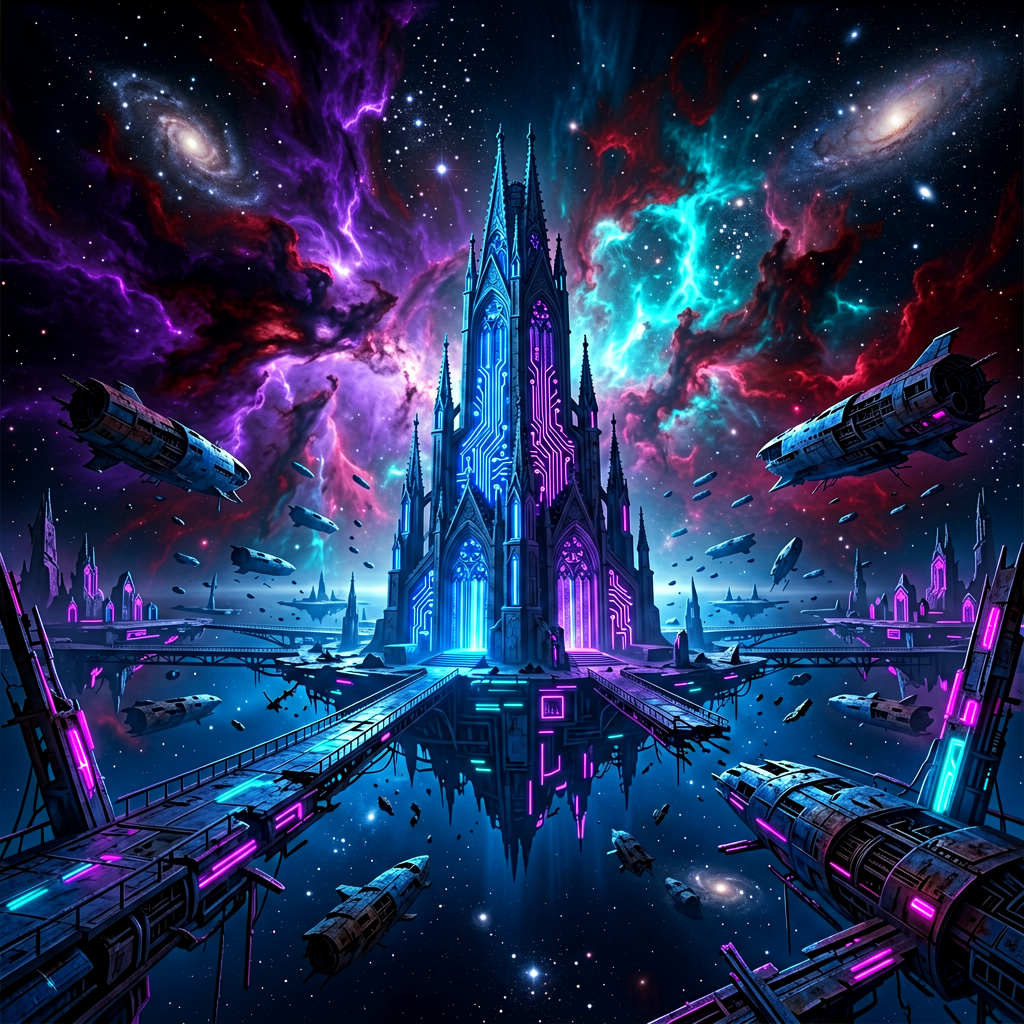
The celestial bureaucracy of the Lumina Concord is absolute, yet even the towering, chrome-plated edifices of faith resting atop the irradiated spires of Neo-Veridia must occasionally confront their own mortality. In the universe of Neon Grave, Saints are not merely paragons; they are living conduits of Aetherium energy, the sacred, terrifying force that holds back the encroaching psychic entropy known only as the Gloom. But what happens when a Saint—a divinely appointed hero, a beacon against the encroaching darkness—falls? The answer is not blessed repose, but the chilling, often catastrophic doctrine of Neon Resurrection.

For the faithful masses of the Outer Sectors, the fall of a Saint is synonymous with heresy, a sudden cessation of their glorious Aether-light. The official narrative, disseminated through the omnipresent, flickering holo-screens of the Concord, speaks only of ‘Re-Integration’—a solemn, private ritual ensuring their residual Aetherium power is safely recycled into the Grand Array. The truth, guarded fiercely within the sealed archives of the Chronos Protocol division, is far grimmer. A fallen Saint does not simply die; they become a liability, a potential vector for the very corruption they swore to fight.

The Anatomy of Apostasy and the Containment Vow

A Saint falls for myriad reasons, none of them clean. It might be the slow, insidious bleed of Void-tainted whispers picked up during deep-sector excursions into unstable reality seams. It could be an act of profound moral failure—the moment Saint Valerius of the Seventh Pillar chose to save his own failing congregation over fulfilling the Concord’s mandate to purge a developing localized reality fissure. Whatever the catalyst, once a Saint’s Aetheric signature deviates beyond the acceptable tolerance parameters set by the Archons, the hunt begins.

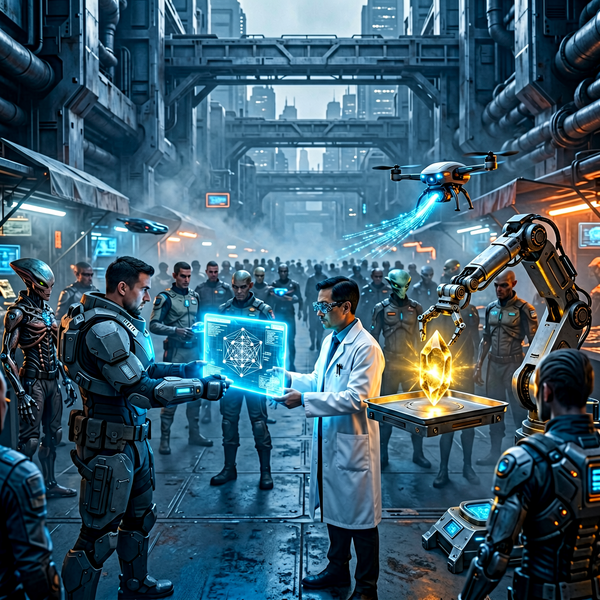
This process is managed by the dreaded Inquisitors of the Silent Hand, a black-ops branch of the Concord tasked with enforcing esoteric law. When a Saint is apprehended—often requiring the deployment of specialized Null-Field weaponry to suppress their residual Aetherium—they are not executed. Execution is wasteful. Instead, they are transported under extreme secrecy to facilities buried beneath the Dead Zones, places where the lingering resonance of ancient, pre-Concord wars still scars the bedrock. Here, the doctrine of Neon Resurrection is enacted.

This procedure is theorized by underground resistance cells, known collectively as the Umbral Cartographers, to be a twisted form of forced penance and power harvesting. The Saint is submerged within a bath of raw, unstable Aetherium slurry—the same chaotic energy they once channeled with divine purity. This process attempts to strip away the tainted consciousness, burning away the memory and the moral failings, leaving behind only the raw, potent energy signature.

The Glimmer and the Grave: Failures of the Protocol

The term "Resurrection" is a cruel misnomer. The process rarely yields a controllable entity. When it succeeds, the former Saint is reborn, yes—but as an empty vessel, a walking conduit capable of wielding Aetherium with terrifying, almost primal force, yet utterly devoid of personality or allegiance. These successful husks are inducted into the Concord’s most dangerous frontline units, the Chrono-Phantoms, used as disposable shock troops against the incursions of the Void Cults. They are the ultimate display of the Concord’s cold utilitarianism: utilize everything, redeem nothing.

However, the failure rate is agonizingly high. Sometimes the corruption is too deep, the psychic scarring too permanent. When the stripping ritual fails, the Aetherium slurry interacts catastrophically with the residual taint. This results in a Stygian Bloom—a phenomenon where the Saint’s body and the raw energy violently merge, creating a localized anomaly. These Blooms are monstrous amalgamations of shattered memory, raw power, and pure psychic agony. They manifest as impossible geometries, pulsating with rogue neon light, capable of rewriting local reality. The destruction of a Stygian Bloom requires the deployment of an entire legion, often leading to the permanent quarantine of entire sectors of colonized space. The fate of Saint Isolde of the Azure Scale, whose Bloom consumed the mining colony of Cygnus-9 in a single night of prismatic agony, remains a foundational cautionary tale whispered among Concord cadets.

The very existence of Neon Resurrection highlights the fundamental instability at the core of the Lumina Concord’s power structure. If their holiest warriors can be turned into monsters, what hope is there for the unlit masses scrambling for existence in the shadows of the megacities? The conspiracy surrounding these fallen heroes fuels the most dangerous movements in the Outer Sectors.

Do the Chrono-Phantoms retain any flicker of their former self? Are the Stygian Blooms truly mindless, or are they screaming across the fractured frequencies of the Aetherium network, trying to send a final warning about the true nature of the power they wield? The Concord claims the process is necessary for galactic stability, but the terror of seeing a beloved Saint return as an unstoppable, soulless weapon suggests a darkness far older than the Gloom itself.

*

Dive deeper into the shadowy bureaucracies of Neo-Veridia. Uncover the hidden history of the Chronos Protocol and the artifacts they seek to bury. Next, we examine the forgotten texts that claim Neon Resurrection is not a failure, but the intended final stage of Sainthood—and the terrible price demanded by the entity that truly controls the Aetherium flow.