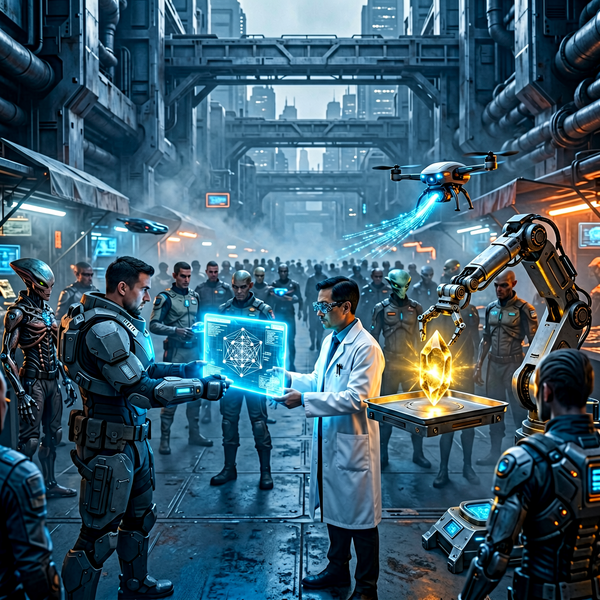
The Stolen Stream vs In Time: Temporal Capitalism’s Darker Twin
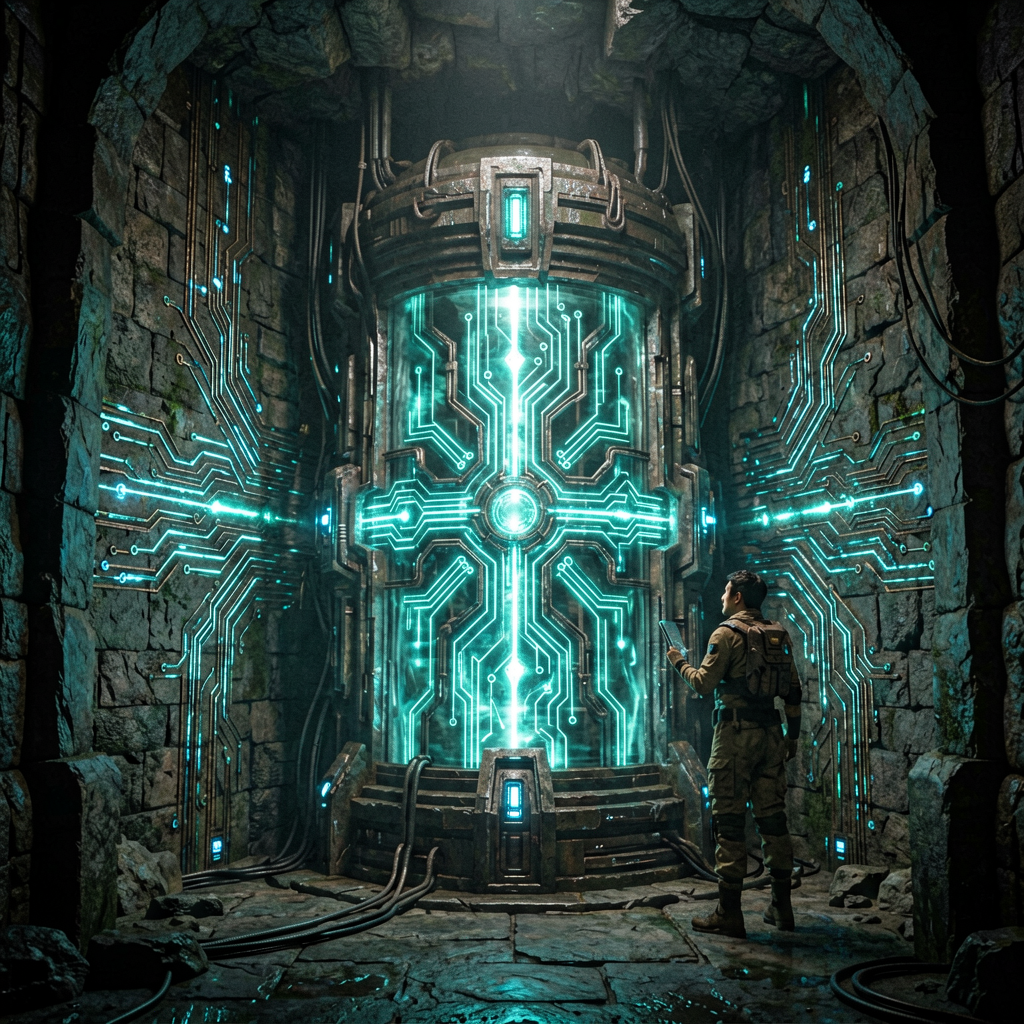
The Stolen Stream: Temporal Mechanics's Invisible Horror
The debate over time-as-currency isn't new, but The Stolen Stream doesn't ask you to watch a clock tick down — it forces you to feel years evaporating from your bones without ever knowing why. This isn't another dystopian action thriller; it's a psychological excavation of a predation so systemic, you'd never see it coming.
How the Stream Operates
In The Stolen Stream's universe, time isn't traded on open markets — it's harvested through a hidden, parasitic network that siphons lifespan from the unaware. The Chronovores — the immortal ruling class — don't wear their stolen wealth on their wrists. Instead, they've engineered an entire system of temporal bleed that accelerates aging in targeted populations while they themselves remain untouched by decay. Citizens don't see clocks winding down; they feel inexplicable fatigue at thirty, watch their parents age decades in months, and die at sixty with the medical profile of a hundred-year-old.
The horror is the invisibility. Unlike narratives where the poor watch their time run out visibly, The Stolen Stream traps its victims in a fog of misdiagnosed exhaustion and corporate "wellness" programs that secretly accelerate aging. Characters become detectives of their own stolen years, tracing the Stream back through corrupted biologies and engineered environments. For a deeper understanding of how this theft works on a planetary scale, explore .
Mechanisms of Invisible Theft
Where other temporal-capitalism stories give everyone a visible countdown, The Stolen Stream rejects transparency entirely. Here, the flow of time is hidden within manipulated biologies, corporate-controlled air filtration, and urban planning designed to accelerate aging in specific districts. The Aethelgard — the immortal elite — don't gamble over minutes in back-alley bars; they siphon decades through infrastructure nobody knows to question.
Visibility: No clock. No warning. Just a slow, undeniable deterioration.
Agency: You can't fight for more time when you don't know who's stealing it.
Scale: The Stream isn't a city-level crisis — it's a planetary system, possibly universal, feeding an elite who have lived for centuries while the working class withers in thirty-year lifespans.
This makes The Stolen Stream a psychological thriller about discovering you never had control. The tension isn't running out of time — it's realizing your time was never yours. Read more about to understand the mechanics of this invisible predation.
Why This World Feels Original
The originality lies in the mechanism: a parasitic Stream that doesn't just redistribute time but consumes it, feeding the Chronovores who are literally living off stolen decades. There's no overtime, no barter, no second chance to earn another hour. Your lifespan is a resource being mined without your knowledge, and the wealthy don't just live longer — they live forever while you decay in confusion.
This isn't world-building for spectacle. It's a quiet, horrifying mirror held up to systems of exploitation that already exist — invisible, systemic, and deadly. The Stolen Stream doesn't show you the clock. It makes you feel the thief.
More from the The Stolen Stream universe: The Stolen Stream Universe | The Stolen Stream Book 1 | The Stolen Stream Book 2
Related: The Stolen Stream Vs In Time How Temporal Mechanics Works In Two Time As Currency Worlds · 7 Best Sci Fi Book Series With Multiple Interconnected Franchises 2026 · 5 Best Litrpg Series With Real World Consequences In 2026
More from the The Stolen Stream universe:
The Stolen Stream Universe | The Stolen Stream Book 1 | The Stolen Stream Book 2